
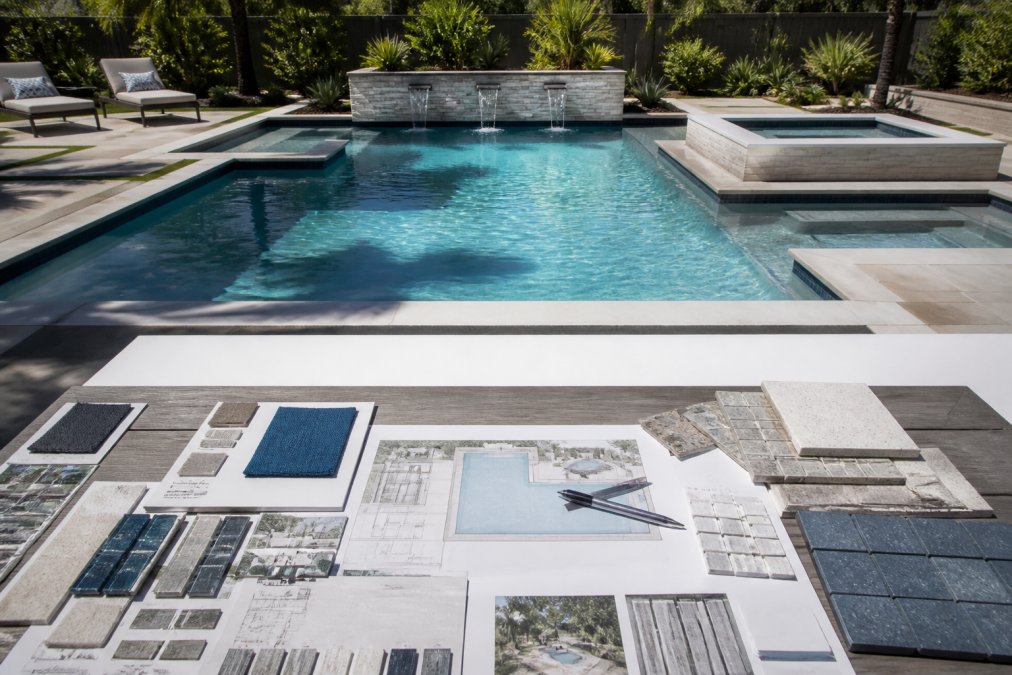
listicle
Custom Swimming Pool Design Trends for 2026
Table of Contents
- Smart Pool Technology Integration: Automation That Earns Its Keep
- Luxury Pool Design Ideas: Finishes, Shapes, and Features Defining 2026
- Custom Pool Construction Costs: What Drives the Number Up or Down
- Outdoor Living Integration: Kitchens, Lighting, and Water Features
- Maintenance Requirements for Modern Pool Trends
- Climate-Specific Design Considerations for Custom Swimming Pools
- Safety and Accessibility Features That Belong in Every Custom Pool Design
- Frequently Asked Questions
Last Updated: September 23, 2026
Smart Pool Technology Integration: Automation That Earns Its Keep
Smart pool technology integration is one of the pool design trends reshaping how pumps, sanitizers, heaters, and lighting connect to a single control system that adjusts itself based on real conditions. At Active Pools, we have watched this shift move from novelty to standard request across Southern California backyards. The reason is simple: automation pays you back in lower energy use and fewer surprises.
Variable-Speed Pumps, UV Sanitization, and Saltwater Systems
Variable-speed pumps are the single highest-value upgrade in pool design trends today. They run at low RPM for most of the day and ramp up only when needed. That gentler duty cycle cuts electricity use and extends motor life.
- Variable-speed pumps: Lower energy draw, quieter operation, longer service life
- UV sanitization: Reduced chlorine demand and clearer water
- Saltwater systems: Softer feel on skin, no chlorine storage
What Smart Automation Actually Costs to Maintain
Pricing for any of these upgrades depends on pool size, equipment selection, and site conditions. Contact Active Pools for a current quote rather than relying on a generic figure.
Luxury Pool Design Ideas: Finishes, Shapes, and Features Defining 2026
Luxury pool design ideas in 2026 lean toward clean architecture and restrained geometry. The most requested look pairs sharp geometric lines with a seamless infinity edge that visually merges the water with the horizon. A baja shelf, also called a tanning ledge, gives you a shallow entry zone for lounging without committing to a full-depth pool.
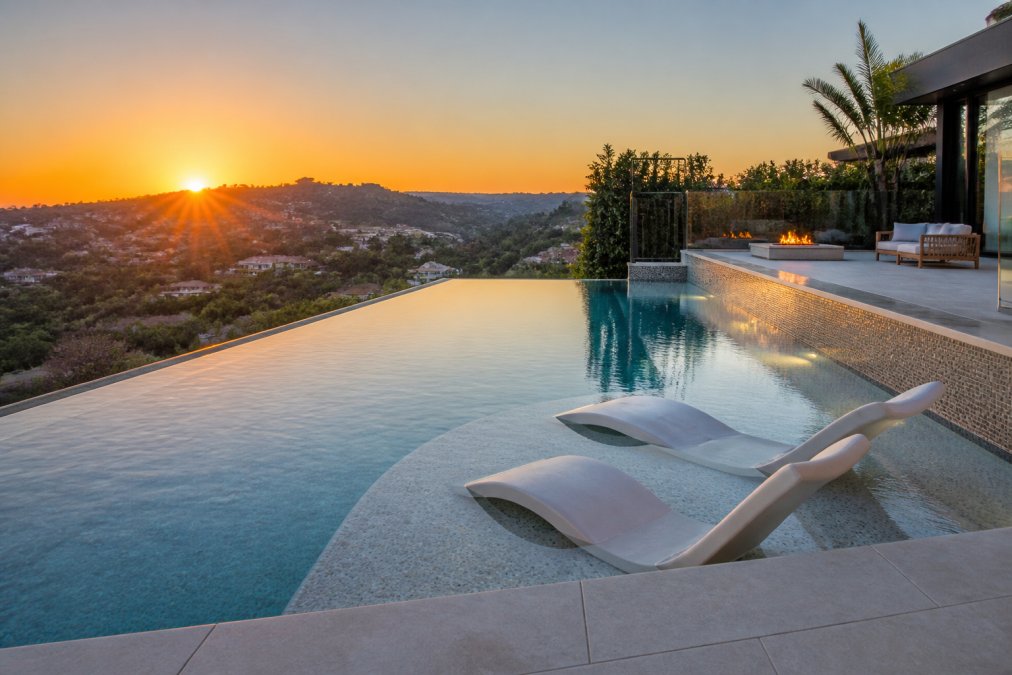
Geometric Lines, Infinity Edges, and Baja Shelves
Rectangular and modern geometric shapes dominate new builds because they integrate cleanly with contemporary home architecture. An infinity edge turns a slope or view into an asset. Baja shelves add function to the shallow end and give kids and adults a safe place to sit.
Pebble Finish, Glass Tile, and Coping Materials That Hold Up
Pebble finish remains the most durable interior surface for the money, and it hides minor staining better than plain plaster. Glass tile at the waterline delivers the reflective shimmer that defines a modern aesthetic, though it demands careful installation. Coping materials matter too: natural stone and poured concrete each handle heat and salt differently, and the right choice depends on your decking and climate.
Custom Pool Construction Costs: What Drives the Number Up or Down
Custom pool construction costs hinge on four variables: size and depth, site access and excavation difficulty, equipment tier, and finish selection. A straightforward rectangular pool on flat, accessible ground costs far less than a complex shape cut into a hillside with an infinity edge and integrated spa.
Budget-Conscious Ways to Adopt High-End Trends
You do not need every premium feature to get a resort-caliber result. Prioritize what you will actually use.
| Trend | Relative Cost Impact | Where to Save |
|---|---|---|
| Infinity edge | High | Skip if your yard is flat |
| Baja shelf | Moderate | Shrink the size, keep the function |
| Glass tile waterline | Moderate | Limit to visible sightlines only |
| Smart automation | Low to moderate | Start with pump and controller |
| Integrated spa | High | Add later as a separate phase |
Outdoor Living Integration: Kitchens, Lighting, and Water Features
Outdoor living integration turns a pool into the center of a full backyard oasis, but the difference between a photogenic build and one you actually use comes down to utility planning, lighting zones, and how each water feature behaves over time. The three systems below should be designed together, not bolted on in sequence.
Outdoor Kitchens That Work With a Pool, Not Against It
An outdoor kitchen near a pool needs three things competitors rarely mention: a gas line sized for the appliances you plan to run, a dedicated electrical circuit for refrigeration and lighting, and a counter surface that tolerates chlorinated splash and sun. Common choices are natural stone, poured concrete, and sintered surfaces; each handles heat and staining differently.
Layered LED Lighting: Zones, Color, and Control
Modern LED pool lighting is usually split into zones, interior pool lights, waterline accents, deck and step lights, and landscape uplights, so you can run a bright swim session or a dim ambient evening without flooding the yard. Color-changing LEDs let you shift the mood from a phone or a wall controller, and because LEDs draw a fraction of what older halogen fixtures pulled, running them nightly is inexpensive.
Water Features: Sheer Descents, Scuppers, and Fountains
- Outdoor kitchen: Cooking and dining steps from the water, with proper gas and electrical rough-ins
- Layered LED lighting: Zoned control, color options, low energy draw
- Water features: Sheer descents, scuppers, and fountains for ambiance, each with its own flow and chemistry considerations
Maintenance Requirements for Modern Pool Trends
Most trend articles stop at the reveal photo. The features that define a modern pool, infinity edges, glass tile, salt systems, UV sanitizers, smart controllers, each carry a specific maintenance rhythm, and knowing it before you build is what keeps the aesthetic from turning into a repair bill.
Infinity Edges: Water Level Is Everything
An infinity edge only reads as an infinity edge when the water sits within a narrow band of the weir wall. That means an automatic water leveler is close to mandatory, and the catch basin behind the wall needs regular debris removal so the return pump does not starve. In hot, dry conditions, evaporation from the edge and basin can be significant, so a cover or windbreak helps.
Glass Tile and Pebble Finishes: Gentle Cleaning Wins
Glass tile at the waterline delivers the shimmer that defines a modern look, but aggressive brushing and acidic cleaners attack the grout that holds it. Use a soft brush and keep pH in the balanced range. Pebble finishes are more forgiving and hide minor staining better than plain plaster, but they still respond to chemistry: low calcium hardness or erratic pH etches the surface over time.
Salt Systems, UV Sanitizers, and Smart Controllers
Saltwater chlorination generates chlorine on site, which means the salt cell itself is a wear item. Cells accumulate scale in hard-water areas and need periodic cleaning; output drops gradually before it fails, so check cell condition on a schedule rather than waiting for cloudy water. UV sanitizers reduce chlorine demand but require lamp replacement on a manufacturer-set interval, a lamp that has aged out still passes water without doing its job.
A Realistic Service Rhythm
A common pattern among owners of feature-rich pools is a weekly water test and skim, monthly filter and skimmer inspection, quarterly equipment checks, and an annual professional service that covers the items most homeowners cannot safely handle, pump seals, heater service, and controller diagnostics. Budget for routine service from day one; the alternative is discovering a failed salt cell or a clogged catch basin at the start of swim season.
Climate-Specific Design Considerations for Custom Swimming Pools
Design decisions that work in a mild coastal climate can fail inland. In hotter, drier areas, evaporation rates rise sharply, so a cover or an automatic water leveler earns its cost quickly. Sun exposure drives finish and coping selection: darker surfaces absorb heat, while lighter ones stay cooler underfoot. Wind exposure affects how much debris lands in the water and how well a water feature performs.
Safety and Accessibility Features That Belong in Every Custom Pool Design
Safety and accessibility should be designed in, not added later. A baja shelf doubles as a safe shallow entry. Handrails, non-slip decking, and clear depth markers reduce risk for every age group. For homeowners planning to age in place, a gradual entry and a bench in the deep end make the pool usable for decades.
Frequently Asked Questions
What are the most popular custom swimming pool features for 2026?
Smart pool automation, variable-speed pumps, UV sanitization, and saltwater systems top the list for 2026. On the aesthetic side, geometric lines, infinity edges, baja shelves, glass tile, and pebble finishes remain the most requested upgrades. Integrated LED lighting and outdoor kitchen connections are also rising fast. The common thread is that homeowners want features that look resort-caliber but also reduce long-term maintenance and energy use, not just add visual drama.
Are smart pool systems worth the investment?
Smart pool technology integration pays off when it targets real cost drivers: variable-speed pumps, automated chemical monitoring, and scheduled circulation. These systems cut energy waste and reduce the guesswork in water chemistry. The return depends on your current equipment, pool size, and usage patterns. A pool with an aging single-speed pump usually sees the fastest payback. Ask for an energy audit before committing so you know which upgrades actually move the needle for your setup.
How do I choose the right custom pool design for my backyard?
Start with how you will use the pool, not how it will photograph. A family with young children benefits from a baja shelf and shallow tanning ledge. Someone who swims laps needs a longer, straighter shape with clean architecture. Entertainers should prioritize outdoor kitchen integration and ample decking. Then factor in your yard's slope, sun exposure, and privacy. A designer can translate those priorities into a layout that fits the space and your maintenance tolerance.
How do I incorporate sustainable features into a custom pool design?
Sustainability in pool design comes down to three moves: reduce energy demand, reduce water loss, and reduce chemical load. Variable-speed pumps and LED lighting cut electricity use. Automatic covers and wind-blocking landscaping slow evaporation. Saltwater systems and UV sanitization lower chlorine needs. Choosing locally sourced coping and decking materials also trims the project's footprint. These choices often overlap with cost savings, so sustainability and budget-conscious design frequently point in the same direction.